And the Darkness Trembled II
EXPLORE THE ABSTRACT ART OF HOPE AND HEALING
UNDERSTANDING THE ABSTRACT ART OF HOPE AND HEALING
Abstract art serves as a bridge between the viewer’s experience and the emotions conveyed through colour, form, and texture. The abstract art of hope and healing invites viewers to connect deeply with their feelings and encourages a journey towards understanding and recovery.
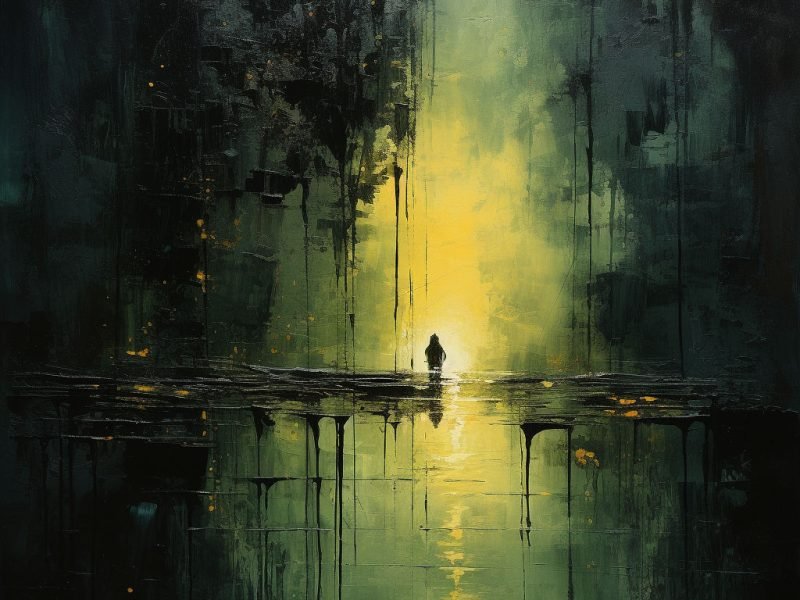
It offers a unique perspective on the abstract art of hope and healing, allowing individuals to find personal meaning within the artwork. For instance, consider an abstract painting that uses vibrant yellows and greens to evoke feelings of renewal and vitality. Such colours can inspire an uplifting emotional response, reminding viewers that healing is possible, even in the darkest times. Ultimately, embracing the abstract art of hope and healing can transform one’s outlook on life.
For instance, consider an abstract painting that uses vibrant yellows and greens to evoke feelings of renewal and vitality. Such colours can inspire an uplifting emotional response, reminding viewers that healing is possible, even in the darkest times. Embracing the abstract art of hope and healing can transform one’s outlook on life.
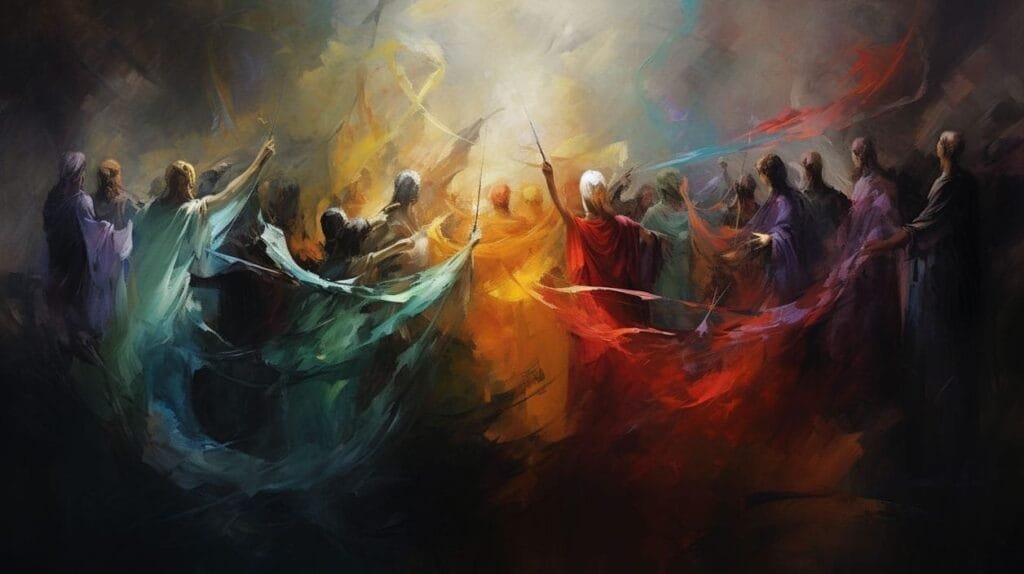
Moreover, the face of hope is not just a visual but an emotional encounter.
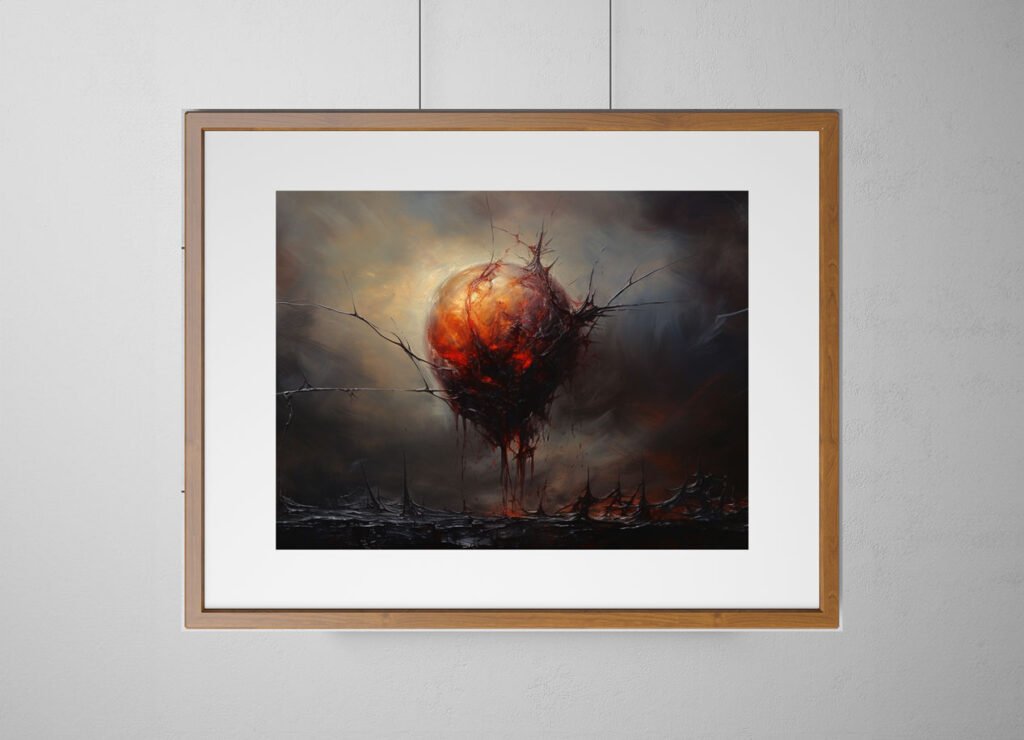
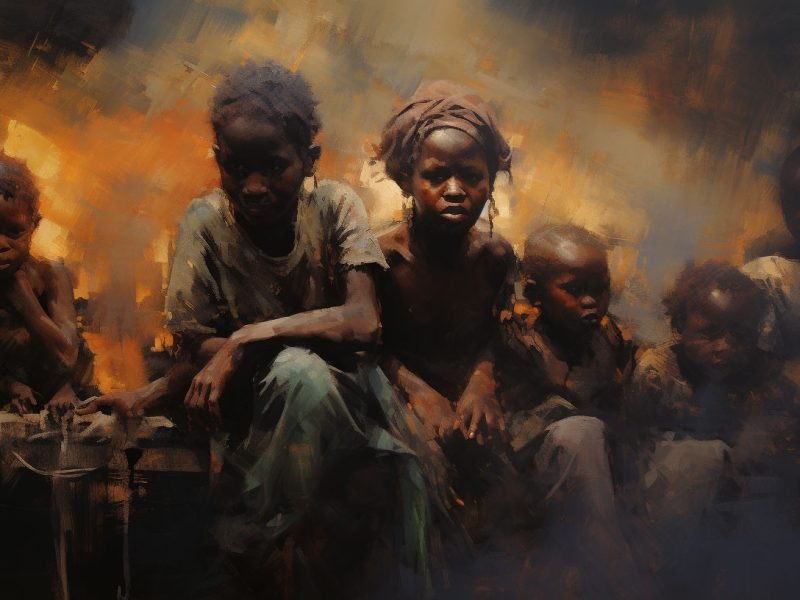
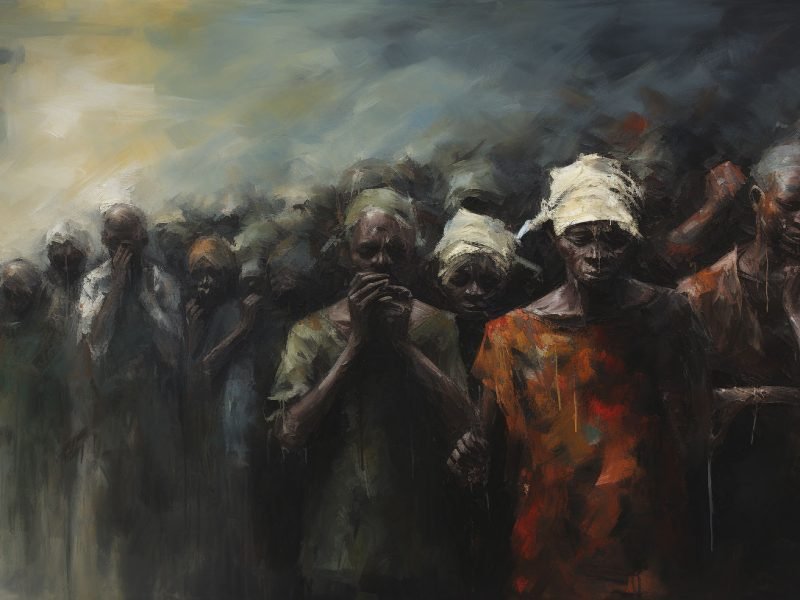
When we observe an abstract piece that captures tumultuous emotions through chaotic lines and contrasting colours, it becomes a reflection of our struggles.
The turbulence in the artwork may resonate with the viewer’s experiences of grief or despair, while the lighter elements suggest a path towards healing and hope.
This duality in abstract art encourages the audience to explore their feelings and find solace in the creative expression.
The essence of the abstract art of hope and healing resonates deeply with our emotions.
Through abstract forms, artists capture the complexity of human feelings and the journey towards recovery.
For example, an artist may utilise swirling patterns to depict the chaos of emotional turmoil, while incorporating softer hues to represent moments of tranquillity and peace.
This interplay of contrasting elements allows viewers to find a narrative that mirrors their own experiences, fostering a sense of connection and understanding.
The dynamic nature of this art form enables it to evoke a spectrum of emotions, guiding individuals through their healing processes.

Each tale of light in abstract art is unique, reflecting personal journeys through adversity.
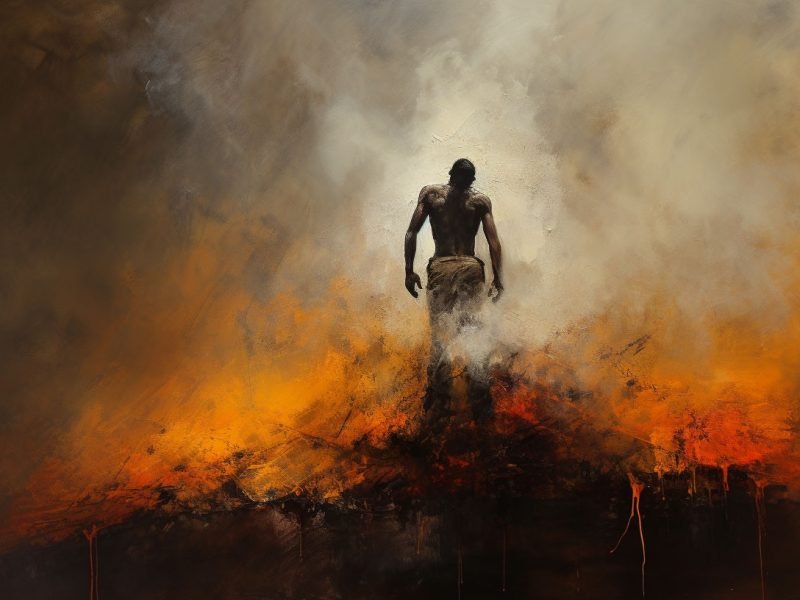
One powerful example is the use of light in abstract works to symbolise hope.
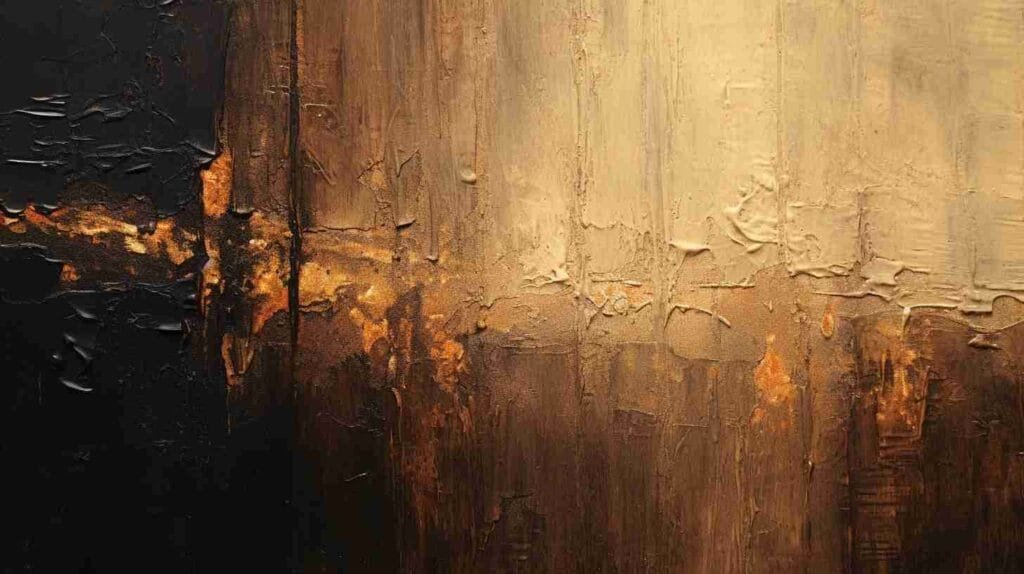
An artwork that features radiant bursts of luminescent colour against a dark background can signify emerging from despair into enlightenment.
This transition is often depicted by the artist’s choice of materials, such as metallic paints that catch the light, creating a dynamic experience as the viewer moves around the piece.
Art collectors and enthusiasts often share stories about how specific pieces have inspired them during challenging times, making these artworks not just decorations but sources of comfort and encouragement.
Rhythm and blues in abstract art can also parallel the emotional experiences of the viewer.
Just as music evokes feelings and memories, abstract art has the ability to resonate with one’s internal state.