OTHER ART THEMES
Art themes encompass a wide array of concepts. For example, the theme of duality often appears in contemporary art, reflecting the coexistence of opposing forces in nature and society. Artists explore these themes to comment on the human condition, inviting viewers to engage with the deeper meanings embedded in their creations.
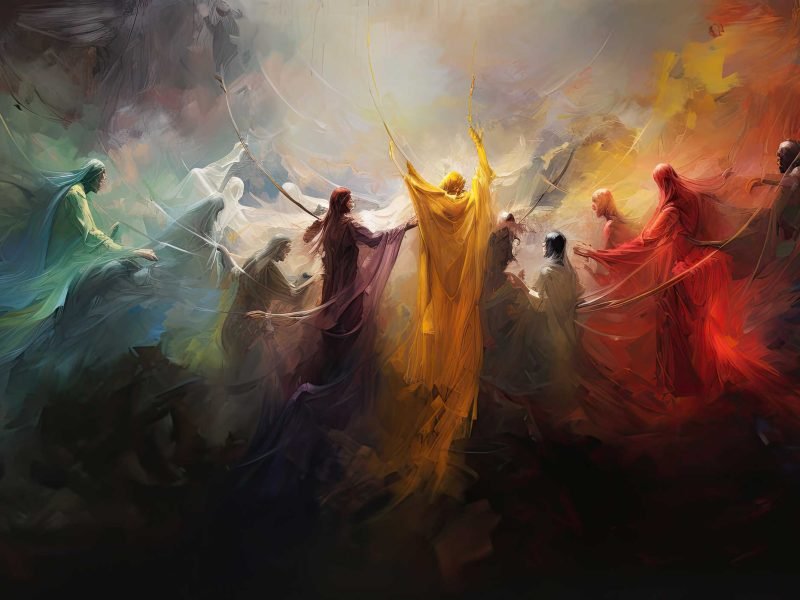
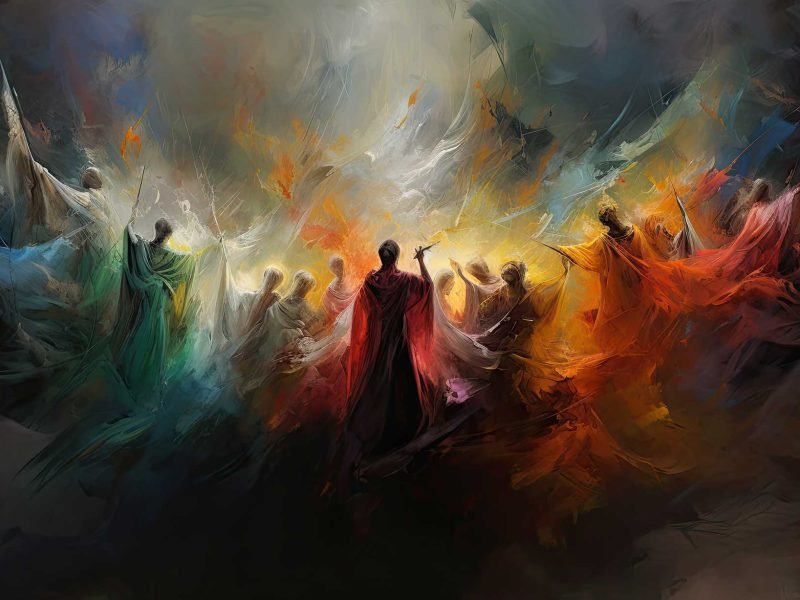
In contemporary discussions about art themes, the concept of Tales of Light and Dark often arises, reflecting the coexistence of opposing forces in nature and society. Artists explore these themes to comment on the human condition, inviting viewers to engage with the deeper meanings embedded in their creations.
THE IMPORTANCE OF CONTRAST IN ART
In exploring the importance of contrast, the Tales of Light and Dark collection exemplifies how artists can manipulate light and dark to tell impactful stories.
Contrast is not merely a visual element; it serves as a fundamental principle that can significantly alter the perception of an artwork.
By manipulating light and dark, artists can influence the mood and emotional impact of their pieces. For example, the dramatic use of chiaroscuro, a technique popularised by masters like Caravaggio, showcases how shadows can enhance the three-dimensionality of figures, creating a sense of realism that captivates the viewer.
In modern art, contrast continues to play a crucial role. Artists such as Mark Rothko used contrasting colours to evoke feelings of tranquility or turmoil, depending on the combination of hues.
The emotional resonance of an artwork often hinges on these contrasts, making it vital for artists to thoughtfully consider their palettes.
Artists within the Tales of Light and Dark theme can influence the mood and emotional impact of their pieces. For example, the dramatic use of chiaroscuro evokes the emotional resonance found in the Tales of Light and Dark collection.
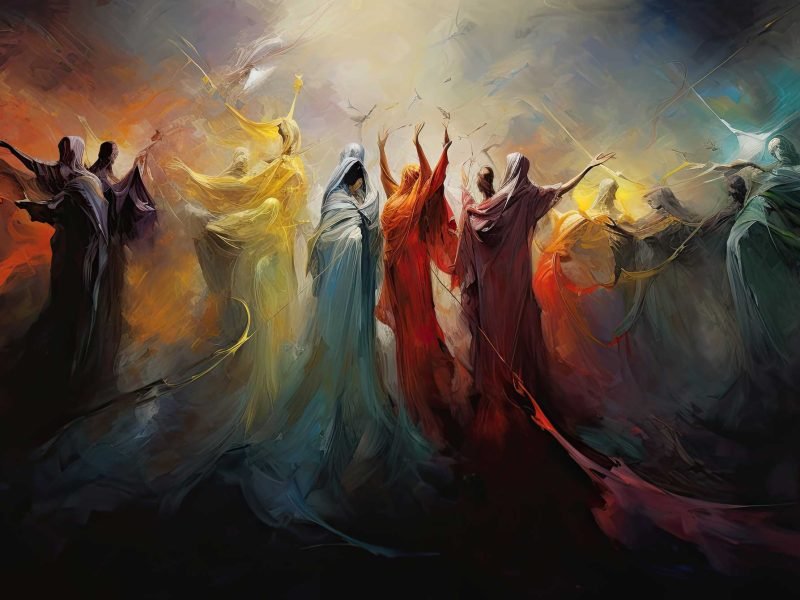
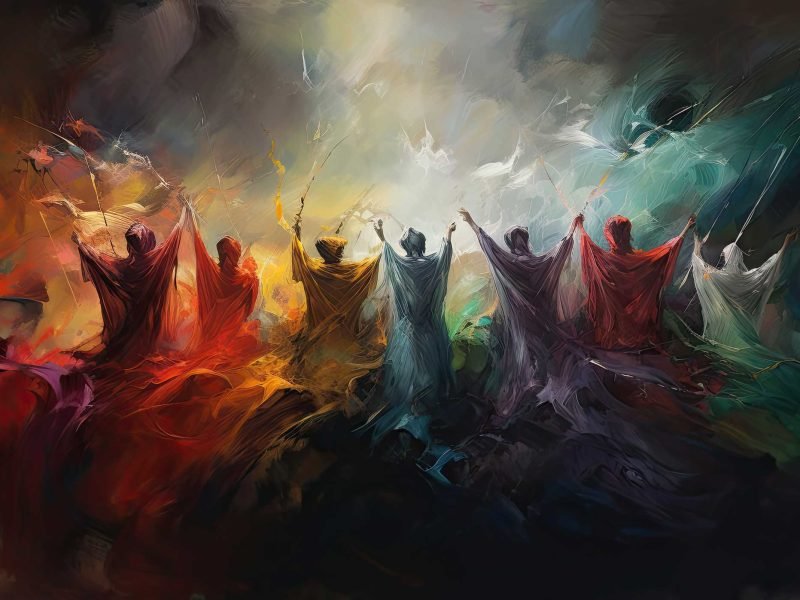
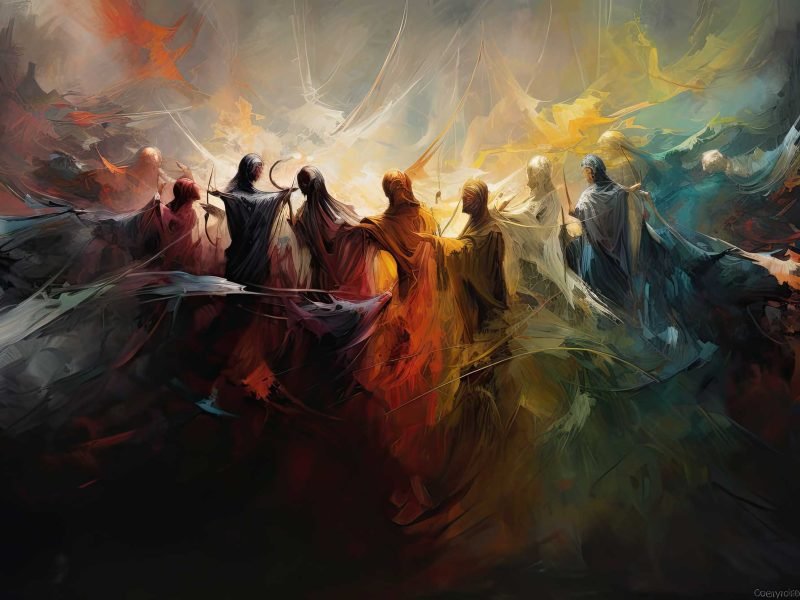
One of the most captivating art principles explored in art is contrast, as seen in the Tales of Light and Dark theme collection. This collection delves into the interplay between light and shadow, illustrating how these elements can evoke a range of emotions and narratives.
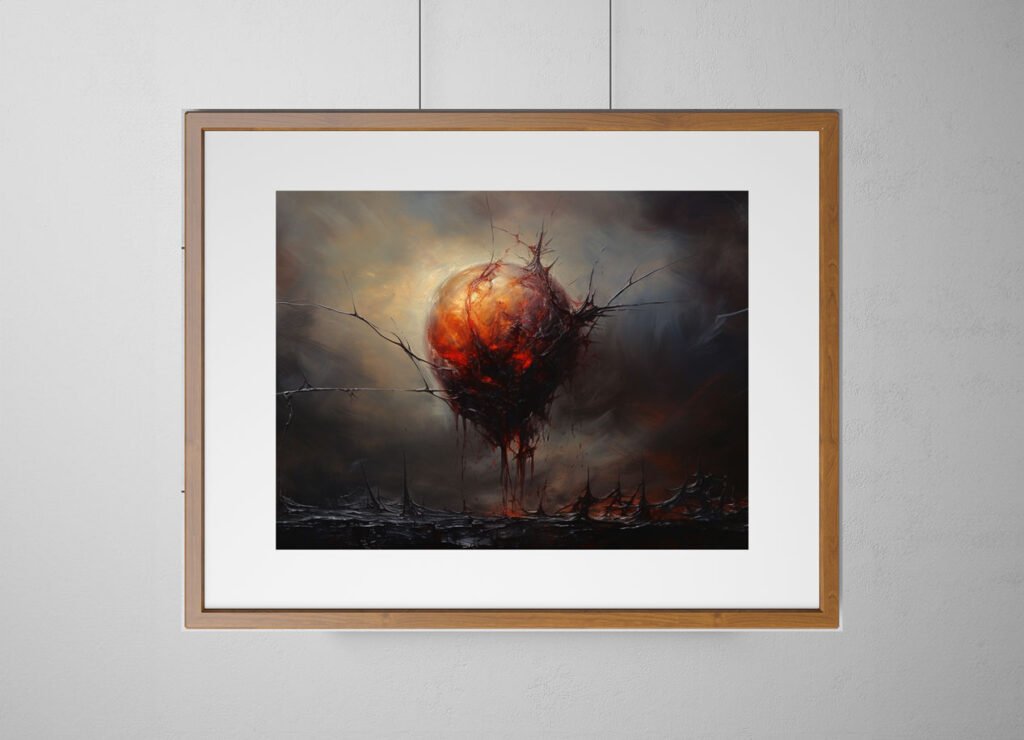
Artists often use contrasting hues to create depth and dimension, drawing viewers into a complex dialogue between opposing forces. For instance, a bright, vibrant object set against a dark background not only highlights its features but also invites contemplation on the relationship between light and dark.
This juxtaposition can be seen in various art forms, from paintings to sculptures, where light can symbolize hope and positivity, while darkness might reflect despair or challenges.
The Tales of Light and Dark collection encapsulates this dynamic, encouraging viewers to explore their own interpretations of these contrasting themes. Additionally, the Tales of Light and Dark theme reminds us of the beauty found in duality.
Contrast is not just a visual principle; it tells a story. In the context of the Tales of Light and Dark collection, artists use contrasting elements to evoke emotions and provoke thoughts. For instance, consider how light colours can invoke feelings of joy and serenity, while dark colours may represent mystery or sadness. This juxtaposition invites viewers to reflect on their own experiences and interpretations of light and dark in their lives.
This juxtaposition invites viewers to reflect on their own experiences and interpretations of light and dark in their lives, particularly through the lens of the Tales of Light and Dark collection.
In addition, various techniques, such as chiaroscuro, enhance the narrative depth within artworks by creating dramatic contrasts between light and shadow. Artists like Caravaggio and Rembrandt are renowned for their mastery of this technique, which can be seen in their works where the interplay of light and dark draws the viewer’s eye to specific focal points, adding layers of meaning.
In addition, various techniques, such as chiaroscuro, enhance the narrative depth within artworks featured in the Tales of Light and Dark collection by creating dramatic contrasts between light and shadow.
Moreover, the emotional impact of contrast extends beyond mere visuals. It is a powerful tool for storytelling in various media, including literature and film. The Tales of Light and Dark collection encapsulates this idea, inviting the audience to consider how contrasting themes can illuminate complex narratives and character development.
The emotional impact of contrast extends beyond mere visuals in the Tales of Light and Dark collection, serving as a powerful tool for storytelling.
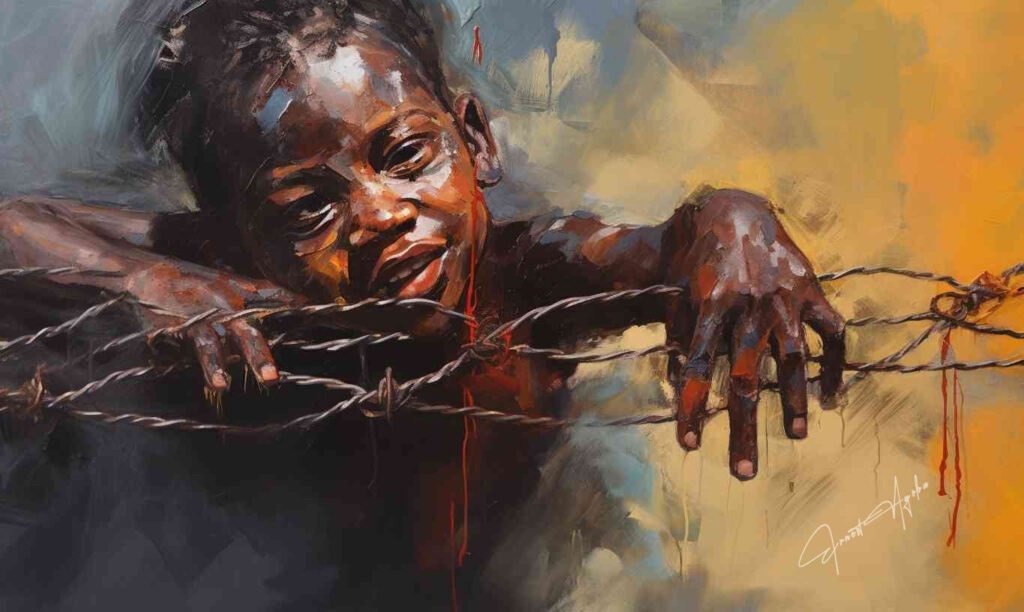
Furthermore, the theme of ‘A Cry for Help’ evokes strong emotional responses. It addresses social issues, mental health, and the struggles that individuals face in their lives. Through poignant imagery and compelling narratives, artists convey the urgency and significance of these themes, encouraging dialogue and awareness.
The narrative of the Tales of Light and Dark theme evokes strong emotional responses. It addresses social issues, mental health, and the struggles that individuals face in their lives. Through poignant imagery and compelling narratives, artists convey the urgency and significance of these themes, encouraging dialogue and awareness.
Artworks embodying this theme often serve as a reflection of society’s challenges. For instance, artists might depict scenes of individuals in distress or moments of vulnerability, prompting viewers to empathise with their struggles and consider their own roles in providing support or understanding.
Artworks embodying the Tales of Light and Dark theme often serve as a reflection of society’s challenges.
USING LIGHT AND DARK TO TELL STORIES
Art has always been a medium for storytelling, and the themes of light and dark are potent narrative devices.
In many cultures, light represents truth, purity, and divinity, while darkness may embody chaos, ignorance, or evil.
This thematic dichotomy allows artists to create powerful narratives that resonate across different audiences.
For instance, consider how classic literature intertwines with art. In John Milton’s ‘Paradise Lost’, light and dark serve as metaphors for the struggle between good and evil.
As artworks inspired by this epic poem illustrate, the visual contrast can enhance the storytelling, inviting viewers to engage with the deeper meaning behind the imagery.
The interplay of light and dark not only reflects the narrative but also amplifies its emotional weight, creating a lasting impression.
Art has always been a medium for storytelling, and the themes of Tales of Light and Dark are potent narrative devices.
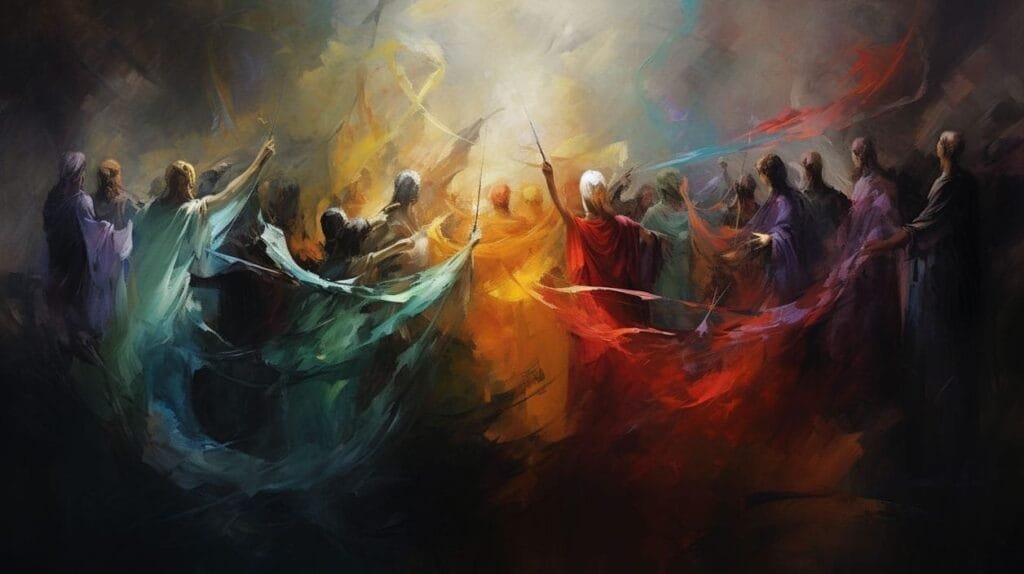
The ‘Face of Hope’ within the Tales of Light and Dark theme serves as a counterbalance to darker themes, representing resilience and positivity.
The ‘Face of Hope’ theme serves as a counterbalance to darker themes, representing resilience and positivity. Through vibrant colours and uplifting imagery, artists convey messages of optimism and renewal. This theme resonates deeply with viewers, as it reflects humanity’s enduring spirit in the face of adversity.
For example, artworks may depict subjects smiling amidst chaos or finding joy in simplicity. These representations can serve as poignant reminders that hope persists, even in challenging times. By exploring the contrast between despair and hope, artists foster a deeper connection with their audience.
In the context of Tales of Light and Dark, artworks may depict subjects smiling amidst chaos or finding joy in simplicity. These representations can serve as poignant reminders that hope persists, even in challenging times. By exploring the contrast between despair and hope, artists foster a deeper connection with their audience through the lens of Tales of Light and Dark.
THE ROLE OF LIGHT IN MODERN ART
In contemporary art, the manipulation of light goes beyond traditional techniques. Artists explore innovative ways to incorporate light into their work, using technology to create interactive experiences. For example, installations that use projection mapping to cast light dynamically on surfaces transform the viewer’s perception of space and form. This modern interpretation of light and dark challenges the audience to engage with art in new and exciting ways.
Additionally, the rise of digital art has introduced new dimensions to the concept of light. Artists can now play with layers of illumination and shadow, creating virtual worlds where the boundaries between reality and imagination blur. As audiences navigate these environments, they are reminded of the fundamental contrasts that exist in life, mirroring the themes explored in the Tales of Light and Dark.
As audiences navigate the themes explored in the Tales of Light and Dark collection, they are reminded of the fundamental contrasts that exist in life.
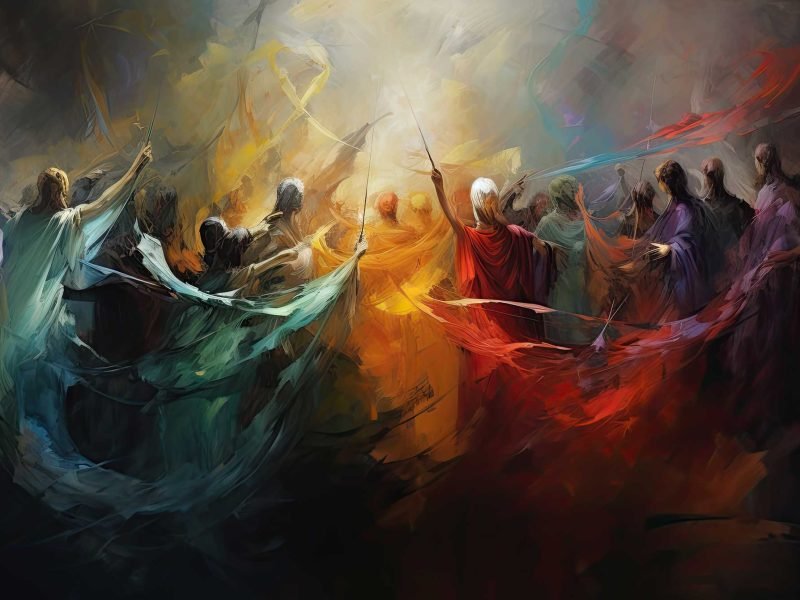
In ‘Rhythm & Blues’, artists utilize musical elements and visual patterns to create a sensory experience. The interplay of rhythm in art often mirrors the cadence of life, drawing parallels between music and visual creativity. This theme explores how rhythm can evoke feelings, capture movement, and express emotions, much like a compelling piece of music.
Artists may incorporate repetitive motifs or dynamic forms to emulate the flow of sound, inviting viewers to experience the artwork on a more profound level. The convergence of art and music highlights the universal language of rhythm, reinforcing the idea that art transcends barriers and connects people through shared experiences.
Ultimately, the exploration of themes like ‘Tales of Light and Dark’, ‘A Cry for Help’, ‘The Face of Hope’, and ‘Rhythm & Blues’ showcases the diverse narratives that art can convey. Each theme invites introspection and conversation, enriching the cultural tapestry of society and reminding us of the profound impact that art has on our lives.
Each theme invites introspection and conversation, enriching the cultural tapestry of society.
This exploration reminds us of the profound impact that art has on our lives.
Ultimately, the exploration of themes like Tales of Light and Dark, ‘A Cry for Help’, ‘The Face of Hope’, and ‘Rhythm & Blues’ showcases the diverse narratives that art can convey.
Ultimately, the exploration of themes like Tales of Light and Dark, ‘A Cry for Help’, ‘The Face of Hope’, and ‘Rhythm & Blues’ showcases the diverse narratives that art can convey.
EXAMPLES OF ARTWORKS EXEMPLIFYING LIGHT AND DARK
Throughout art history, numerous works have exemplified the concept of light and dark. A prime example is ‘The Night Watch’ by Rembrandt, where the dramatic use of light draws the viewer’s eye to the focal point of the composition.
This technique not only highlights the characters but also evokes a sense of mystery and intrigue. Artworks embodying the Tales of Light and Dark theme often serve as a reflection of society’s challenges.
Throughout art history, numerous works have exemplified the concept of Tales of Light and Dark.