OTHER ART THEMES
In the section on ‘Other Art Themes’, it’s important to highlight how rhythm and blues intersects with various other artistic expressions. For example, the fusion of rhythm and blues with contemporary dance has resulted in performances that are both visually stunning and emotionally charged. These collaborations often invite audiences to experience the genre in a new light, where the movements of dancers can evoke the very essence of the songs they interpret. Furthermore, public exhibitions that showcase rhythm and blues-themed art can also serve to educate viewers about the cultural significance and evolution of the genre, thereby enriching their appreciation for both the music and the visual arts.
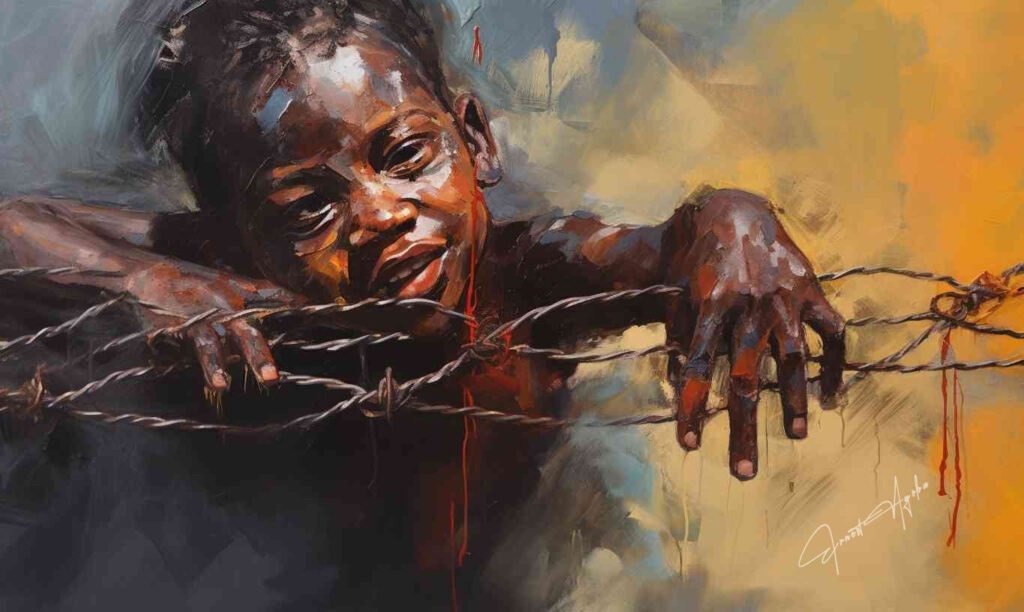
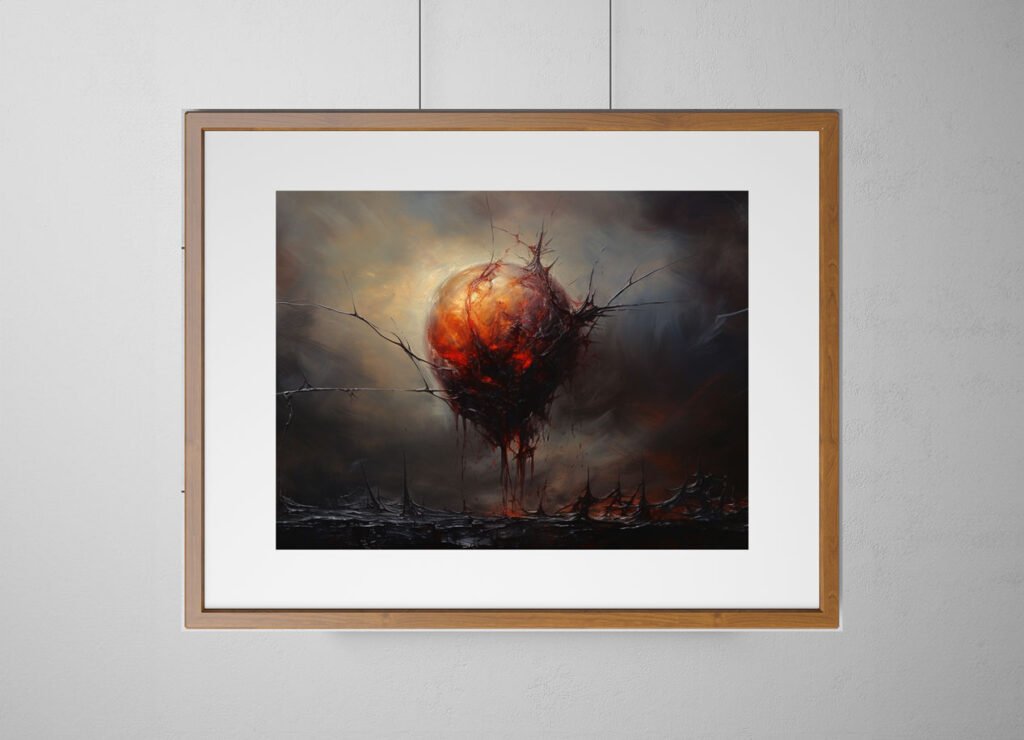
When addressing ‘A Cry for Help’, it is crucial to recognise the cathartic nature of rhythm and blues. Many artists have utilised their music as a means of expressing their innermost struggles and triumphs, creating a safe space for listeners to reflect on their own challenges. Artists like Etta James and B.B. King have woven personal narratives into their music, which can inspire visual artists to create pieces that encapsulate this emotional journey. For instance, a painting that captures the raw emotion of a performance can evoke a similar sense of vulnerability and strength, allowing viewers to connect with the essence of the music on a personal level.
This section highlights the emotional depth found in rhythm and blues, and art that mimics music
The emotional depth of rhythm and blues can be further explored through the lens of community. Many artists have drawn upon their experiences within their communities to create music that speaks to collective pain and joy. This aspect can inspire collaborative art projects that involve local artists and musicians, creating a tapestry of expression that reflects the shared experiences of a community. Such endeavours can highlight the importance of support and unity, reinforcing the idea that art and music are powerful tools for connection.
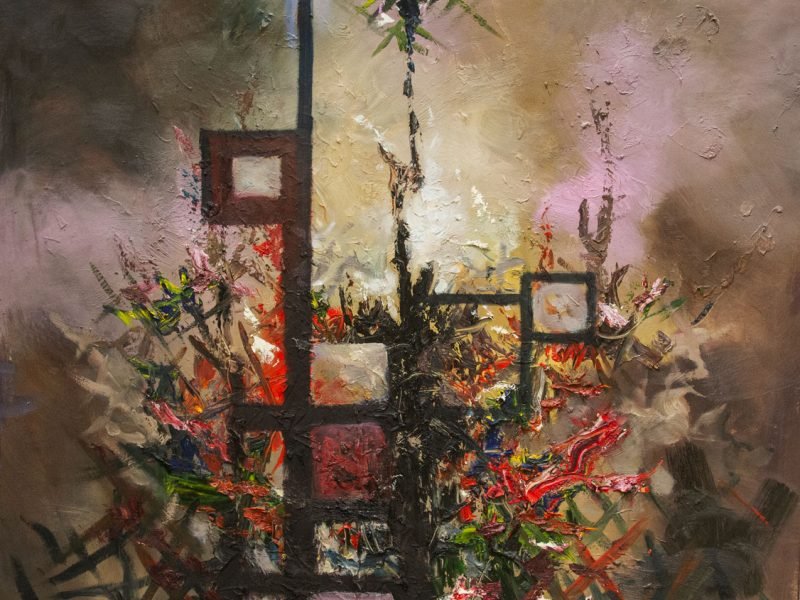
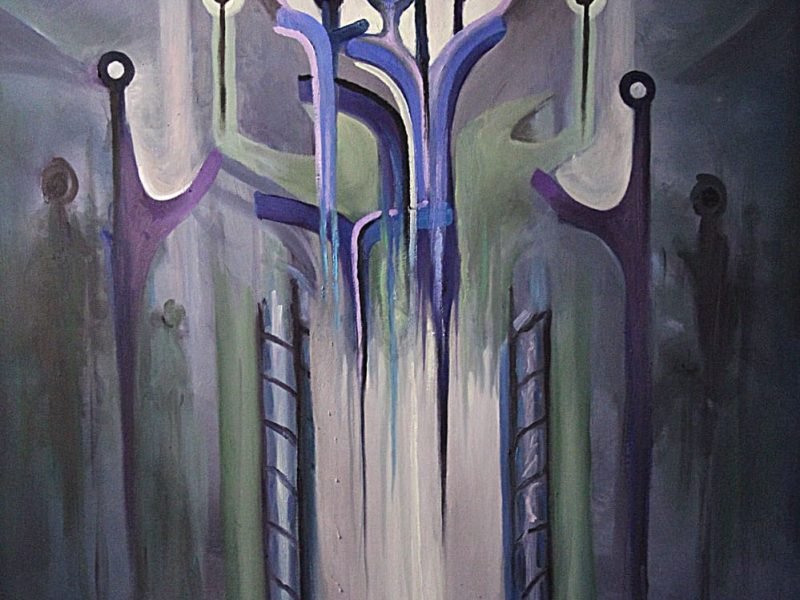
The essence of rhythm and blues is rooted in its ability to convey complex emotions, which artists can translate into visual form. For example, abstract paintings that use swirling lines and bold colours can reflect the intensity of a powerful rhythm and blues track. An artist might evoke feelings of passion and longing through dynamic brushwork, allowing the viewer to experience the same emotional highs and lows that the music provides.
Moreover, when examining the visual representations of rhythm and blues, one can draw parallels with the use of symbolism in art. Just as lyrics often carry metaphorical weight, visual artists can employ symbols to convey deeper meanings within their work. For example, the imagery of a broken heart can reflect themes of lost love, similar to the sentiments often expressed in rhythm and blues songs. By integrating such symbols into their compositions, artists can add layers of meaning that invite viewers to engage more thoughtfully with their work, ultimately enriching their understanding of the genre.
Additionally, the storytelling aspect of rhythm and blues can inspire narrative-driven art. Artists can create series of works that depict the journey of love, loss, and redemption, themes prevalent in many rhythm and blues songs. Each piece could represent a different chapter in this emotional odyssey, allowing viewers to engage with the story on a personal level and reflect on their own experiences.
Furthermore, the notion of storytelling through art can be expanded by creating interactive installations that encourage audience participation. Imagine a gallery space where visitors can add their own stories or reflections related to rhythm and blues, creating a living narrative that evolves with each contribution. This approach not only fosters community engagement but also allows for a diverse range of perspectives to be shared, enhancing the overall experience of the exhibition and deepening the impact of the art on its viewers.
Moreover, rhythm and blues has a rich history intertwined with cultural movements, particularly in the fight for social justice. This historical significance can be explored through visual art by focusing on key figures and events that have shaped the genre. Artists might create portraits of iconic rhythm and blues musicians, using their works to highlight the impact these individuals had on both music and society, thereby creating a dialogue about cultural heritage and identity.
The historical context of rhythm and blues can be vividly portrayed through visual storytelling. For instance, artists can create mural projects that depict key moments in the evolution of the genre, celebrating the trailblazers who paved the way for future generations. These murals can serve as both a tribute and an educational tool, allowing viewers to immerse themselves in the rich heritage of rhythm and blues while fostering a sense of pride in cultural identity.
Incorporating elements of rhythm and blues into performance art can also amplify its emotional expression. Dance performances that mirror the rhythms and themes of the genre can create a visceral experience, allowing the audience to feel the music through movement. Such performances can serve as a powerful reminder of the genre’s roots in storytelling and personal expression, enhancing the connection between the audience, the music, and the artist.
In addition to performance art, the influence of rhythm and blues can be seen in various forms of digital art. Artists can create video pieces that combine music, animation, and visual storytelling, crafting a sensory experience that transports viewers into the world of rhythm and blues. These digital explorations can break down barriers between different art forms, inviting a wider audience to engage with the themes and emotions of the genre through innovative means.
Furthermore, the integration of rhythm and blues into multimedia installations can transform how audiences experience art. Imagine an installation where soundscapes of rhythm and blues music are paired with visual projections that reflect the themes of the songs. This immersive experience could foster deeper emotional connections, as viewers are invited to engage with both the auditory and visual elements simultaneously.
Moreover, the concept of art as an immersive experience can be further developed by hosting workshops that encourage participants to create their own rhythm and blues-inspired pieces. These workshops can introduce attendees to the fundamentals of both music and visual art, providing a platform for self-expression and creativity. By fostering such environments, galleries can inspire future generations of artists who are passionate about the intersection of rhythm and blues with their own artistic practices.
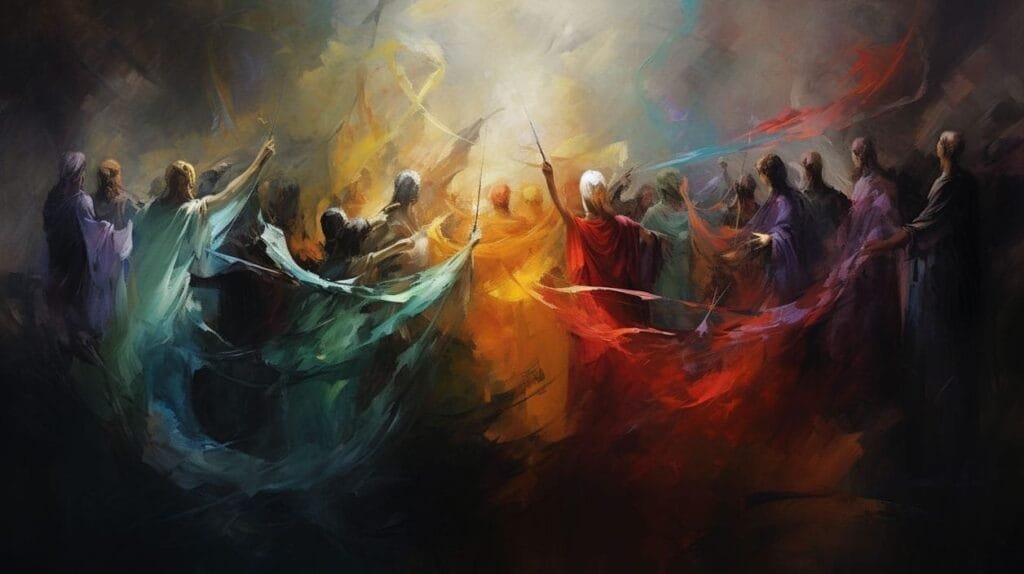
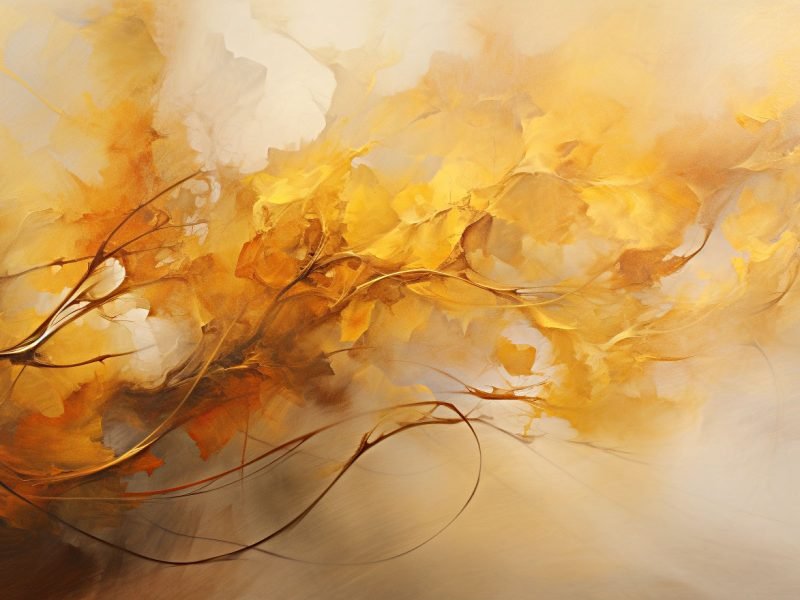
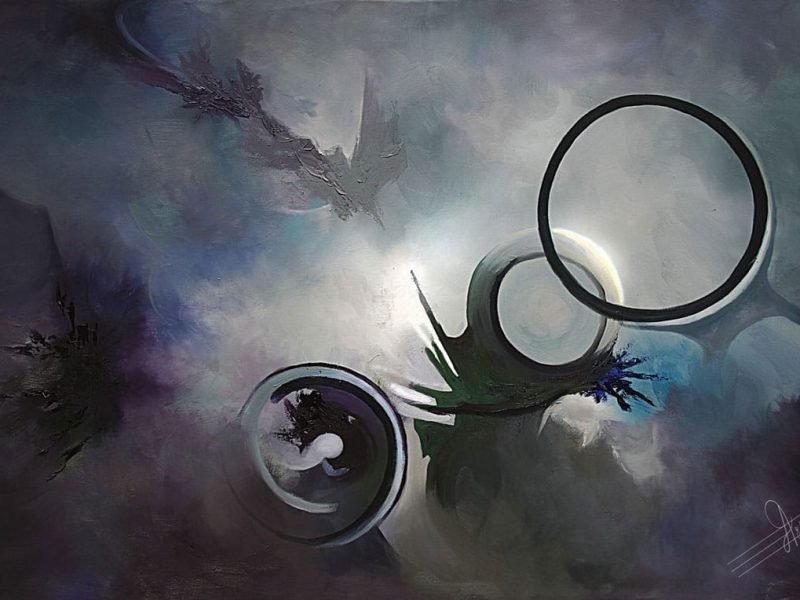
This theme presents poetic abstractions that celebrate the beauty, spontaneity, and mystery of the creative process. By transforming remnants and fragments from other themes into unique visual compositions, it reveals how unexpected elements can take on new meaning, highlighting the hidden beauty, imagination, and possibility found within artistic discovery.
This theme presents poetic abstractions that celebrate the beauty, spontaneity, and mystery of the creative process. By transforming remnants, fragments, and visual echoes from other themes into unique and expressive compositions, it demonstrates how unexpected elements can be reimagined into works of meaning and beauty. The collection invites viewers to appreciate the power of artistic discovery, revealing how imagination can uncover harmony, emotion, and possibility in places often overlooked.
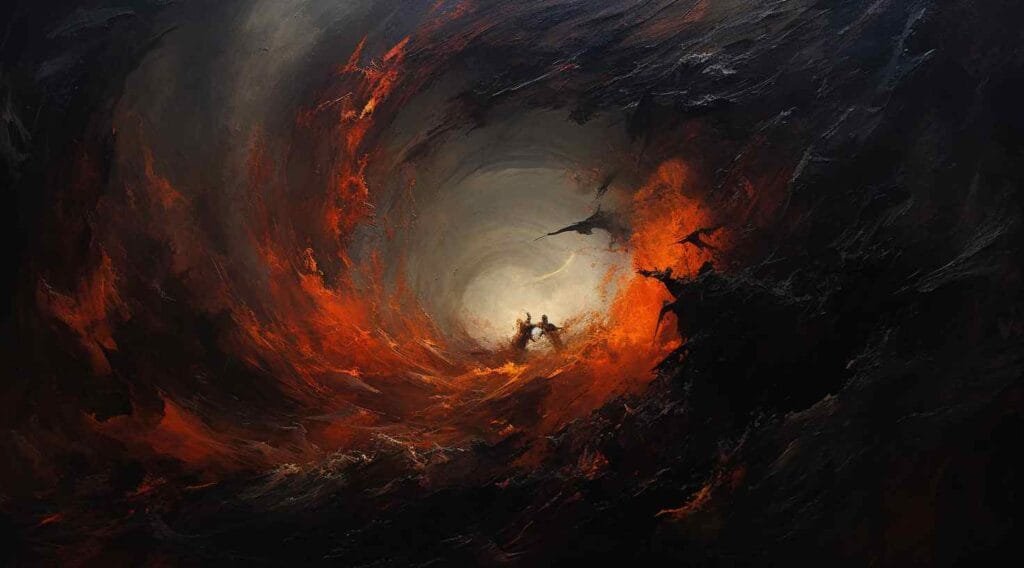
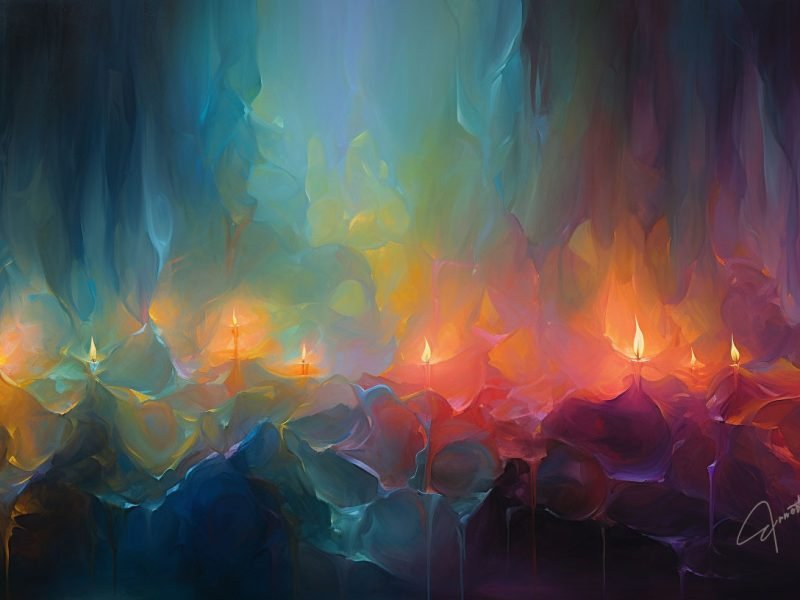
As we delve deeper into the theme of ‘Tales of Light’, it’s essential to reflect on how rhythm and blues music has served as a beacon of hope for many. This genre has often provided solace during turbulent times, with artists pouring their hearts into lyrics that resonate with listeners on a profound level. For instance, the soulful ballads of artists like Billie Holiday and Sam Cooke not only showcase the beauty of their vocal artistry but also tell stories of struggle and perseverance. By infusing these narratives into visual forms, artists can create a compelling dialogue that bridges the gap between music and visual art, allowing audiences to explore these themes through a different medium.
As we uncover the depths of rhythm and blues, we find that these stories resonate deeply with the soul, illustrating the transformative power of art. Through the lens of this genre, we can witness the profound connections between personal experiences and artistic expression, reinforcing the notion that rhythm and blues is not just music; it is a vital part of the human experience, inviting us all to explore its rich tapestry of emotions.